

Scene 1 (0s)
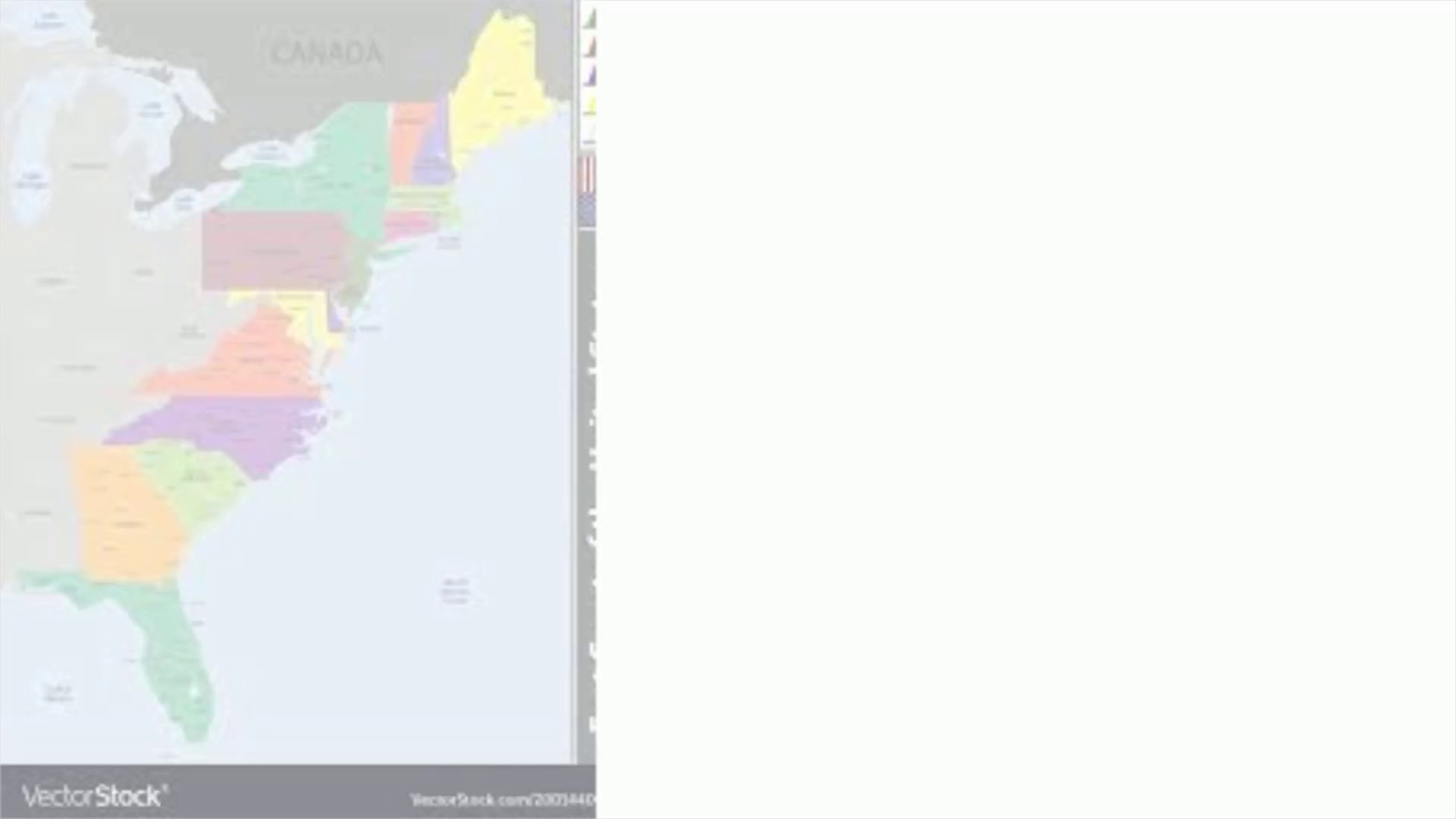
[Audio] Hello everyone, I am Walter Grezsik, and for our third weeks forum post discussion on an analysis of the impact of dams in a specific area of the United States. I have decided to speak on the Atlantic or Eastern Coast of the United States. This area of the United States is vast with species of fish that has been a key asset to those who have used it as a resource..
Scene 2 (25s)
[Audio] Although many people argue who founded the new world, Christopher Columbus, the Native American tribes, and the Vikings all used the Atlantic Ocean as a food source, travel and much more. The Atlantic Ocean borders fourteen separate states, where various species of fish and shellfish can be found. Fishing in the early years was crucial to their survival and economy..
Scene 3 (50s)
[Audio] Since then, its still provides many jobs and the resources it yields are seen economically valuable. The fish from caught from this water is part of the two hundred- fifty-three billion dollars in sales with providing over one and a half million jobs. Although, it is not all seen as food now, as many people enjoy sport fishing for large and powerful fish with the intentions of them being released..
Scene 4 (1m 16s)
[Audio] The reason why I chose this area, partly due to the many different fish that can be found in its waters. Many fish that I, one day, hope to be able to catch for food or for sport. I say hopefully due to how much human interaction we have had with certain species as to where their numbers are starting to dwindle. Another reason I chose this area, was due to our last assignment. I researched the Chinese Sturgeon, who's numbers have drastically changed since putting in dams and overfishing..
Scene 5 (1m 50s)
[Audio] The main species I would focus on, who have had the most damage to their numbers since the implementations of dams. These species would include the Atlantic and Gulf Sturgeon, species of salmon, and steelhead. Sturgeon and salmon are anadromous species, meaning that they migrate to breed. With dams being built, this means that these fish can no longer go to their instinctual breeding grounds as their path is blocked. Unless there are alternative paths to migrate back, which there hardly are, these animals will die at the dam..
Scene 6 (2m 26s)
[Audio] With these fish species dying at the dams, they cannot spawn properly. The breeding ground they try to go back to are areas that allow their spawn to hatch and develop until their journey back down the river continues. When these dams do completely block their passage back, they will prematurely spawn below the dams. This will only flush out the eggs as the currents are not ideal which leads to less fish from hatching..
Scene 7 (2m 55s)
[Audio] Dams cause a lot of destruction to the environment that they are introduced to. Although they can help with flooding, generate power, and allow for transportation across water ways, without proper planning they can be a detriment to their surroundings. They recreate water paths, have built up sediment, change water temperatures, reduce water flow and so much more. This results in the destruction of fish habitats, a lost to their breeding grounds and lower fish populations. Overall, this is due to humans with our wants and needs, always changing the environment for our benefit with the environment coming as a afterthought most of the time..
Scene 8 (3m 37s)
[Audio] I have learned a lot about this topic over the past week with my assignment but got to learn a little bit more due to this discussion assignment. I did not realize how a dam can change so much in the surrounding environment. Besides the serious population issues there have been to the sturgeon and salmon species, it opens more insight to other species that are affected by dams since their own environments flood, change in temperature or receive less than what is needed in water flow or from nutrients. If more planning and thought went into these dams, as to how they affect their surroundings, it is possible that no so many fish would be struggling as much. It is possible for these fish species to die out in our life time, and it is up to us to prevent that..
Scene 9 (4m 23s)
References. Atlantic Sturgeon . NOAA Fisheries. (2023, January 30). Retrieved February 19, 2023, from https://www.fisheries.noaa.gov/species/atlantic-sturgeon Atlantic Sturgeon . U.S. Fish & Wildlife Service. (n.d.). Retrieved February 20, 2023, from https://www.fws.gov/sites/default/files/documents/endangered-species-act-basics-february-2023.pdf Fisheries E conomics of the United States . NOAA Fisheries. (2023, February 16). Retrieved February 19, 2023, from https://www.fisheries.noaa.gov/national/sustainable-fisheries/fisheries-economics-united-states#:~:text=Economic%20impact%20trends%20of%202020,sales%2C%20%2498%20billion%20recreational%20sales. Gulf Sturgeon . NOAA Fisheries. (2022, November 1). Retrieved February 19, 2023, from https://www.fisheries.noaa.gov/species/gulf-sturgeon.