Scene 1 (0s)
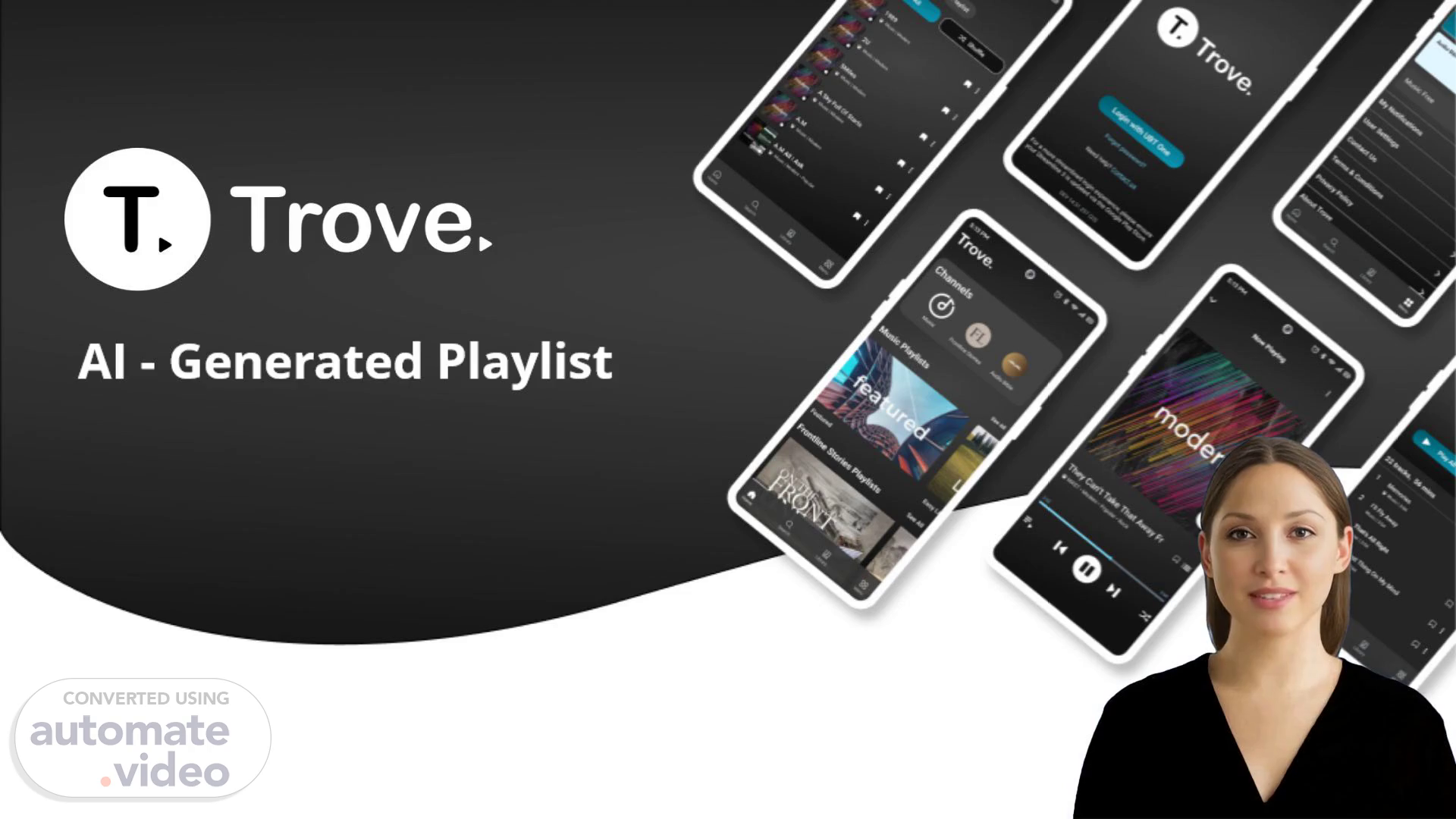
[Virtual Presenter] The AI smart playlist feature uses machine learning algorithms to analyze user behavior, such as listening habits and preferences, to provide tailored music suggestions. This approach allows users to discover new artists and genres they may not have considered before, expanding their musical horizons. The algorithm also takes into account external factors like weather, time of day, and location to further personalize the experience..
Scene 2 (32s)
[Audio] The company has been working on developing a new feature that will allow users to discover new music based on their personal preferences. The development process involved several steps including data collection, algorithmic modeling, and testing. The team worked closely with experts from the music industry to ensure that the feature would meet the needs of both artists and listeners. The development process took approximately six months to complete. The final product was tested extensively by the team and external partners to ensure its effectiveness. The results showed that the feature significantly improved user engagement and listening time. The feature allows users to discover new music based on their personal preferences, such as genre, mood, and activity level. The feature also includes a recommendation engine that suggests songs based on the user's past listening habits. The recommendation engine uses machine learning algorithms to analyze user behavior and provide recommendations that are tailored to each individual user. The feature is designed to be intuitive and easy to use, allowing users to quickly find new music that matches their interests. The feature is available now and is integrated into the existing platform. The integration was seamless, and the feedback from users has been overwhelmingly positive. The feature has been well-received by both artists and listeners, who appreciate the ability to discover new music that resonates with their tastes. The feature has also helped to reduce the noise and clutter of traditional music discovery methods, making it easier for users to find high-quality music..
Scene 3 (2m 20s)
[Audio] The AI Smart Playlist is a system-generated, personalized playlist created by an AI agent outside Trove. This playlist is based on a user's listening history and is updated every week. There is only one playlist per user, which appears alongside their existing user-created playlists. The AI Smart Playlist follows the same playback rules as other playlists and only shows whitelisted/pilot users. It excludes any songs the user has already listened to and respects subscription entitlements, premium content, and offline rules..
Scene 4 (2m 57s)
[Audio] The new feature allows users to create their own playlists with specific themes or topics, which are then automatically generated into a playlist. This feature is useful for users who want to organize their music library in a more structured way. The new feature also provides an option to add custom tags to these playlists, allowing users to further customize them. Users can now easily access and share their playlists with others, making it easier to discover new music and connect with like-minded individuals..
Scene 5 (3m 30s)
[Audio] The team has chosen to introduce the AI playlist within the existing Trove library framework. This means that the AI playlist will be displayed alongside other playlists in the Library section. Its functionality will be built upon the same UI components used for other playlists. No new screens will be introduced, which minimizes any disruption to the user experience. By introducing this approach, the team aims to maintain consistency with the current library patterns. Reducing visual changes helps lower the risk associated with piloting the feature. This approach also allows for a smoother rollout, leveraging the existing infrastructure..
Scene 6 (4m 11s)
[Audio] The AI system generates a new playlist for each user based on their individual listening history. The playlists are stored in an external database and updated regularly. Every Sunday morning, the AI system regenerates all playlists at 2:00 AM UTC. This ensures that users receive the most up-to-date recommendations. The playlists are completely recreated from scratch each time, eliminating any previous suggestions. The generated playlists are then displayed in the user's personal library, where they can be enjoyed by the user..
Scene 7 (4m 49s)
[Audio] The AI system uses an algorithmic approach to generate these personalized recommendations. The algorithm takes into account various factors such as user behavior, preferences, and social media activity. The system also incorporates external data sources like weather forecasts, news articles, and sports scores. These external data points are used to create a rich and diverse environment that influences the user's musical tastes. By combining these different inputs, the AI system creates a unique and personalized experience for each user. The algorithm is constantly learning and adapting to new information, ensuring that the recommendations remain relevant and up-to-date. The system is designed to be highly flexible and scalable, allowing it to handle large volumes of user data and provide accurate predictions..
Scene 8 (5m 48s)
[Audio] The user can only use the playback controls to control the playback of the media. The user cannot edit the playlist name, add or remove items, or delete the playlist. Due to shared UI components, edit/delete options may appear but backend blocks all modifications. This means that these features are not available to users. The impact on existing playlists is that creating, editing, deleting, adding items to user playlists remains unchanged..
Scene 9 (6m 18s)
[Audio] The limitations of our AI playlist include read-only user experience which may cause confusion for some users. Additionally, edit and delete options may appear but ultimately fail due to the AI logic being external and opaque to Trove. This limitation does not pose a significant risk as it falls within the pilot scope and has no impact on the core functionality of Trove. The low-risk nature of this limitation makes it acceptable..
Scene 10 (6m 52s)
[Audio] ## Step 1: Determine the primary objective of the AI playlist study The primary objective is to assess the usage frequency of the AI-generated playlist compared to users' personal playlists. ## Step 2: Identify key performance indicators (KPIs) for the AI playlist Key KPIs include the overall increase in listening time, the frequency of usage, and the surface of new, relevant content. ## Step 3: Analyze usability and expectation issues related to the AI playlist Usability and expectation issues may arise from the AI-generated playlist, which can impact its effectiveness and user experience. ## Step 4: Consider the implications of the study's findings on future AI-driven features Understanding the factors influencing the AI playlist's success will inform broader rollout and UI improvements, driving future AI-driven features. ## Step 5: Evaluate the potential explanations for track selection by the AI algorithm Analyzing the data will help explain why specific tracks were chosen, potentially leading to more personalized recommendations in the future. ## Step 6: Assess the potential benefits of using the AI playlist Using the AI playlist could lead to increased listening time and exposure to new, relevant content, enhancing the overall music listening experience. ## Step 7: Determine the importance of addressing usability and expectation issues Addressing usability and expectation issues related to the AI playlist is crucial for ensuring a positive user experience and maximizing its effectiveness. ## Step 8: Consider the long-term goals of the AI playlist project The ultimate goal is to develop an AI-driven feature that provides personalized recommendations, increasing user engagement and satisfaction. ## Step 9: Evaluate the potential risks associated with the AI playlist Potential risks include decreased user engagement, negative feedback, and decreased overall satisfaction with the AI playlist. ## Step 10: Summarize the key takeaways from the AI playlist study The key takeaways are the importance of assessing usability and expectation issues, understanding the factors influencing the AI playlist's success, and considering the long-term goals of the project..
Scene 11 (9m 44s)
[Audio] The speaker's message is one of empowerment and encouragement, urging listeners to take action and make a positive impact on their lives and the world around them. The speaker emphasizes the importance of using their skills and knowledge to create positive change and achieve great things. The speaker also highlights the potential for everyday moments to be opportunities for making a difference and bringing about positive change. The speaker's tone is optimistic and motivational, conveying a sense of possibility and promise. The speaker's words are meant to inspire and motivate the audience to take action and pursue their goals with confidence and determination. The speaker's message is clear and concise, yet powerful and impactful. The speaker's use of language is simple and direct, yet effective in conveying the message. The speaker avoids using jargon or overly complex terminology, instead opting for straightforward and accessible language that resonates with the audience. The speaker's emphasis on the importance of individual agency and personal responsibility is also noteworthy. Overall, the speaker's message is one of hope and optimism, encouraging listeners to take control of their own destiny and strive for greatness. The speaker's words are meant to uplift and inspire, providing a sense of direction and purpose for those who hear them..