

Page 1 (0s)
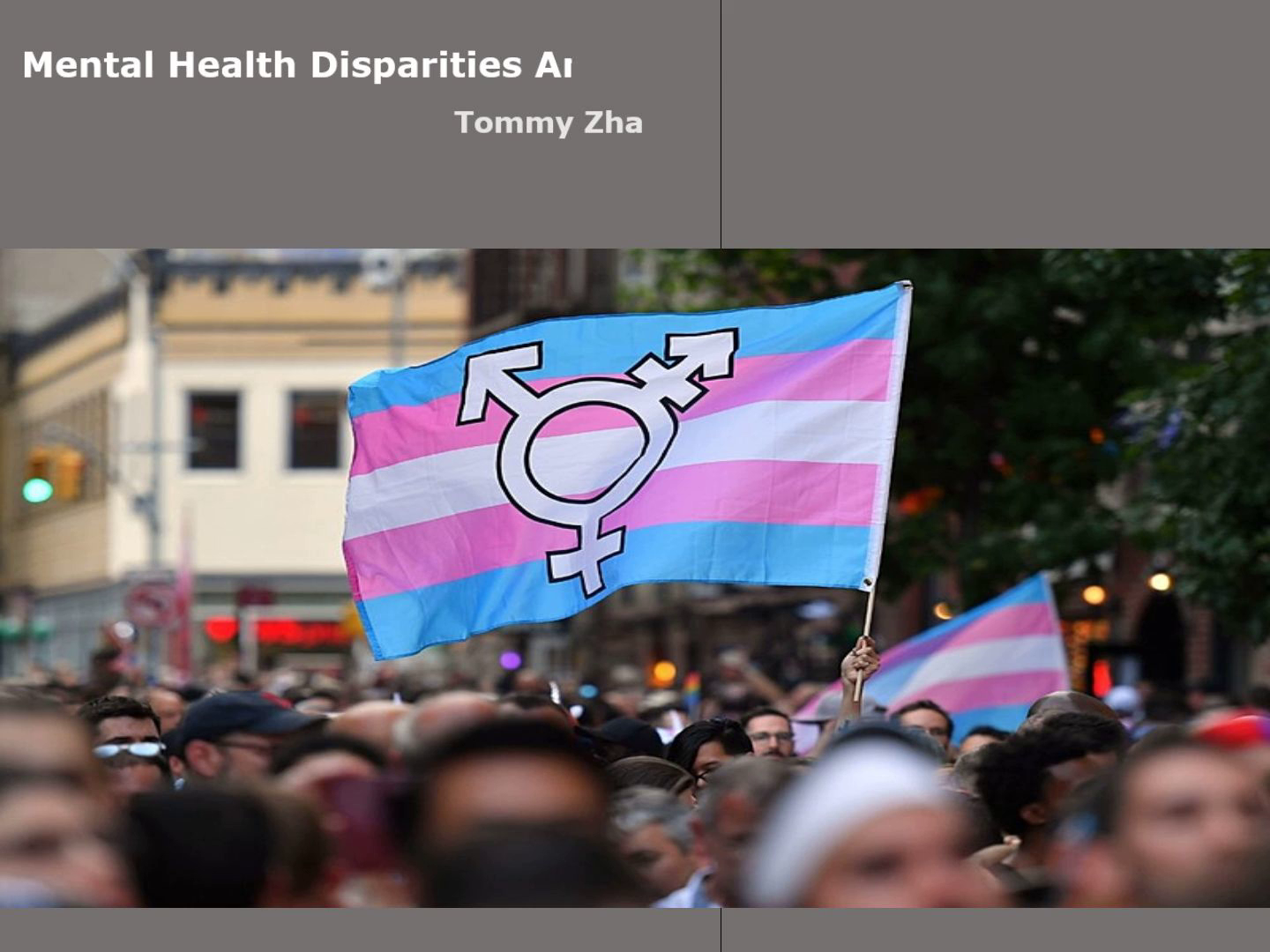
Mental Health Disparities Among Transgender People of Color.
Page 2 (8s)
[Audio] Hello, everyone, and welcome to this digital storyboard. This project invites viewers to look more closely at the mental health experiences of transgender people of color, a group whose stories often remain underrepresented despite facing some of the most significant structural barriers to wellbeing. The storyboard examines how anxiety, depression, and other mental health challenges arise not only from personal experiences but also from broader social determinants such as discrimination, economic instability, and limited access to safe and supportive environments. By situating these issues within a wider social context, the narrative sheds light on the persistent disparities in wellbeing that continue to affect this population. At the same time, the storyboard highlights the remarkable diversity and complexity of identities within transgender communities of color. These individuals navigate multiple, overlapping forms of marginalization—racism, transphobia, xenophobia, and class inequality—that shape both their daily realities and long-term mental health trajectories. Despite these challenges, the narrative emphasizes the essential role of affirming healthcare, culturally responsive support systems, and strong community networks. Acts of unity, care, and mutual support become powerful tools for resilience, helping individuals find safety, affirmation, and belonging. Throughout the story, themes of equity and justice underscore the urgent need for fair treatment and inclusive systems capable of reducing barriers and fostering environments where transgender people of color can thrive..
Page 3 (1m 58s)
[Audio] Transgender people of color experience unique and often compounded mental health challenges that stem from the intersection of their racial and gender identities, placing them at heightened risk for chronic stress and social exclusion (Simon-Kumar et al., 2025). These intersecting identities expose individuals to multiple layers of marginalization, including racism, transphobia, and cultural stigma, all of which contribute to an environment in which safety, affirmation, and belonging can be difficult to access. As a result, everyday experiences—from navigating public spaces to seeking healthcare—can become sources of emotional strain, eroding wellbeing over time. Systemic barriers and discrimination within healthcare, employment, housing, and educational settings further restrict access to supportive and affirming care, ultimately intensifying feelings of isolation, vulnerability, and mistrust. When individuals are unable to find culturally competent providers or equitable services, the gap between their mental health needs and available resources widens. These combined factors contribute to disproportionately higher rates of anxiety, depression, and related psychological distress among transgender people of color. Together, these realities underscore the urgent need for equitable, inclusive, and culturally responsive mental health support systems that can address not only individual experiences but also the broader structural inequities that shape them..
Page 4 (3m 40s)
[Audio] Transgender people of color often experience heightened levels of anxiety, intrusive or overwhelming thoughts, and significant emotional distress as a result of discrimination, social pressures, and deeply rooted systemic barriers. These challenges can emerge in many areas of daily life, including interactions in public spaces, accessing healthcare, navigating family or community expectations, and seeking stable employment or housing. Over time, repeated exposure to these stressors creates a cycle of chronic stress that places a substantial burden on mental and emotional well-being. This chronic stress not only affects mood and coping abilities but can also influence physical health, self-esteem, and overall quality of life, making access to safe, affirming, and supportive environments even more essential for fostering resilience (Lewis et al., 2021). Prioritizing emotional and psychological well-being—through affirming care, trauma-informed support, and culturally responsive mental health services—plays a crucial role in promoting hope, stability, and long-term recovery. Affirming providers who understand the intersection of race, gender identity, and lived experience can help reduce barriers to care and offer support that feels validating and empowering. When transgender people of color have consistent access to such care, they are more likely to experience improved coping strategies, strengthened community connections, and better overall mental health outcomes. Ultimately, creating environments that honor identity, encourage self-expression, and address structural inequities is key to supporting the wellbeing and thriving of this population..
Page 5 (5m 36s)
[Audio] Transgender people of color face numerous social determinants that affect their mental health, including housing instability, financial stress, and limited access to affirming healthcare (Dopp et al., 2024). Employment opportunities and inclusive workplaces play a crucial role in supporting independence and well-being, while broader social factors such as education, discrimination, and community support further shape health outcomes. Access to safe, supportive environments and strong community connections can help mitigate these challenges, promoting resilience and improving overall mental health for this population..
Page 6 (6m 15s)
[Audio] According to Klein and Washington (2023), transgender people of color experience elevated psychological distress due to multiple overlapping stressors, including racism, transphobia, and microaggressions. Systemic discrimination and social barriers exacerbate these challenges, while insufficient access to supportive and affirming healthcare further increases vulnerability. Evidence from studies highlights these disparities and emphasizes the importance of targeted mental health interventions and access to compassionate care to reduce psychological distress and improve overall wellbeing for this population..
Page 7 (6m 59s)
[Audio] Transgender people of color face multiple barriers to culturally competent care that negatively impact their mental and physical health. Discrimination in healthcare settings and a lack of provider knowledge about transgender-specific needs often result in non-affirming care, causing many to avoid seeking help due to fear of mistreatment. Limited access to specialized gender-affirming services, combined with financial and logistical challenges such as cost, transportation, and insurance constraints, further restricts their ability to receive appropriate care (Huang et al., 2025). Addressing these barriers is essential to improving health outcomes and ensuring equitable, affirming healthcare for this population..
Page 8 (7m 49s)
[Audio] Jade, a Black transgender woman, experiences chronic anxiety and emotional distress as a result of systemic discrimination and past negative encounters with healthcare providers. She often avoids seeking help because previous interactions were dismissive and non-affirming, reflecting the broader challenges TPOC face when navigating unsupportive systems. Despite these barriers, there is a continuing need for safe, affirming spaces and access to supportive care to help her and others in similar situations manage mental health and build resilience..
Page 9 (8m 27s)
[Audio] Addressing mental health disparities among transgender people of color requires systemic change that focuses on equity and inclusion (Cunningham et al., 2022). Improving access to culturally competent care, reducing discrimination, and strengthening community support networks are essential strategies for promoting mental health and wellbeing. By creating safe, supportive environments and implementing targeted healthcare improvements, TPOC can experience better mental health outcomes and greater resilience in the face of systemic challenges..
Page 10 (9m 5s)
References. Adeyeba, M., Calvetti, S., Lockett, G., Sostre, J., Slay, L., Goldbach, J. T., & Kipke, M. D. (2025). Intersecting Identities: Exploring stigma, minority stress, resilience, and identity in sexual and gender diverse youths of color. SSM - Mental Health, 7, 100458. https://doi.org/10.1016/j.ssmmh.2025.100458 Cunningham, R., Polomano, R. C., Wood, R. M., & Aysola, J. (2022). Health systems and health equity: Advancing the agenda. Nursing Outlook, 70(6, Supplement 1), S66–S76. https://doi.org/10.1016/j.outlook.2022.05.010 Dopp, A. R., McKenna, S., Gilbert, M., & Hunter, S. B. (2024). Supportive housing for sexual and gender minority individuals with criminal justice histories: Challenges and opportunities identified by providers and clients. Housing Policy Debate, 34(1), 108–131. https://doi.org/10.1080/10511482.2022.2055615 Gonçalves, C. C., Waters, Z., Quirk, S. E., Haddad, P. M., Lin, A., Williams, L. J., & Yung, A. R. (2025). Barriers and facilitators to mental health care access and engagement for LGBTQA+ people with psychosis: A scoping review. Psychiatry Research, 343, 116281. https://doi.org/10.1016/j.psychres.2024.116281 Graziano, T. A. (2025). Access to gender-affirming care and alternatives to that care among transgender adults. JAMA Network Open, 8(7), e2520808. https://doi.org/10.1001/jamanetworkopen.2025.20808 Huang, K., Yang, A. J., Skoretz, L., Firek, A., & Khurana, D. (2025). Developing health care provider knowledge, confidence, and cultural sensitivity through resident transgender training: A controlled educational study. International Journal for Equity in Health, 24(1), 202. https://doi.org/10.1186/s12939-025-02555-7 Klein, H., & Washington, T. A. (2023). The “triple whammy”: Serious psychological distress, suicidal ideation, and substance misuse among transgender persons. Acta Psychologica, 241, 104092. https://doi.org/10.1016/j.actpsy.2023.104092 Laranjeira, C., & Querido, A. (2022). Hope and optimism as an opportunity to improve the “positive mental health” demand. Frontiers in Psychology, 13, 827320. https://doi.org/10.3389/fpsyg.2022.827320 Lewis, T., Doyle, D. M., Barreto, M., & Jackson, D. (2021). Social relationship experiences of transgender people and their relational partners: A meta-synthesis. Social Science & Medicine, 282, 114143. https://doi.org/10.1016/j.socscimed.2021.114143 Simon-Kumar, N., Lee, A., Ameratunga, S., & Peiris-John, R. (2025). At the intersection of ethnicity, gender, and sexual orientation: Mental health status of ethnic minority youth in Aotearoa New Zealand. Kōtuitui: New Zealand Journal of Social Sciences Online, 20(3), 325–342. https://doi.org/10.1080/1177083X.2025.2520398 Vrtikapa, K., Hoque Urmy, F., & Hoque, F. (2025). Social determinants of health: The impact of this overlooked vital sign. Journal of Brown Hospital Medicine, 4(3). https://doi.org/10.56305/001c.138072.