Scene 1 (0s)
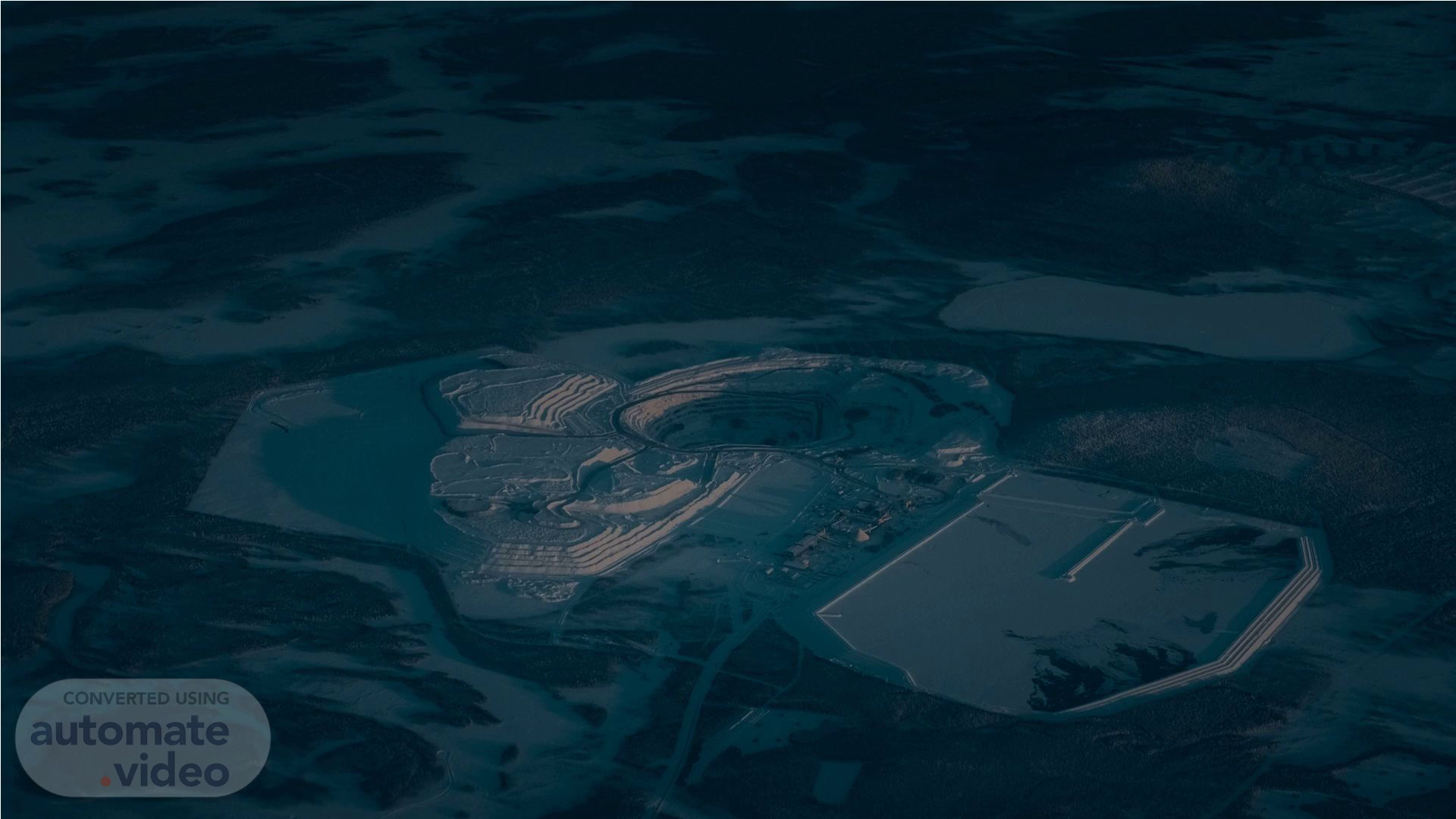
[Virtual Presenter] "Every year, millions of tones of limestone are extracted from Malaysian quarries. Most end up as cement for roads and buildings. But what if this stone… could heal the human body? We are reclaiming our natural resources. What was once rubble for construction is now a blueprint for human regeneration.".
Scene 2 (35s)
[Audio] FROM QUARRY TO CLINIC: LOCAL STONE, GLOBAL BONE SOLUTION Presented by: Aida Aslina binti Abu Talib, Nurul Aina Haziqah binti Riduan, Tan Jia Wen, Tharani Karuppaya.
Scene 3 (51s)
[Audio] Our objective is clear. To develop a locally sourced carbonate apatite bone substitute that closely matches the structure and chemistry of human bone. By enhancing biological compatibility, this material supports better integration, controlled resorption, and long-term implant success. Through this approach, we aim to deliver safer, more effective bone repair solutions—built from local resources for global clinical impact.".
Scene 4 (1m 20s)
[Audio] By mimicking bone at both the chemical and structural level, we enhance biological compatibility. This enables better integration with surrounding tissue, controlled resorption, and long-term implant success. Bone reconstruction remains a major challenge in modern medicine. Severe accidents and trauma can cause complex fractures and bone loss that the body cannot heal on its own. An aging population further increases fracture risk, slows healing, and drives growing demand for effective bone repair solutions. Diseases, including infections, tumors, and congenital disorders, can destroy healthy bone and create critical defects. Together, these factors are driving a growing global need for safe, reliable, and biocompatible bone substitutes..
Scene 5 (2m 13s)
[Audio] Conclusion – From Quarry to Clinics Malaysia is rich in limestone, science, and human potential. Yet for decades, we have relied on external medical solutions—despite having the resources beneath our feet. By transforming locally sourced limestone into carbonate apatite, we unlock an untapped biomedical resource. This biomimetic material closely mimics natural human bone, enabling better integration, controlled resorption, and long-term healing. This innovation represents more than material development. It marks a shift from import dependency to self-reliance, and from resource extraction to biological regeneration—while reducing reliance on costly medical imports through sustainable, locally driven healthcare innovation. What begins as stone in the hills of Kedah can become living bone in clinics around the world. This is how local resources deliver global healthcare solutions. From quarry to clinics..