Scene 1 (0s)
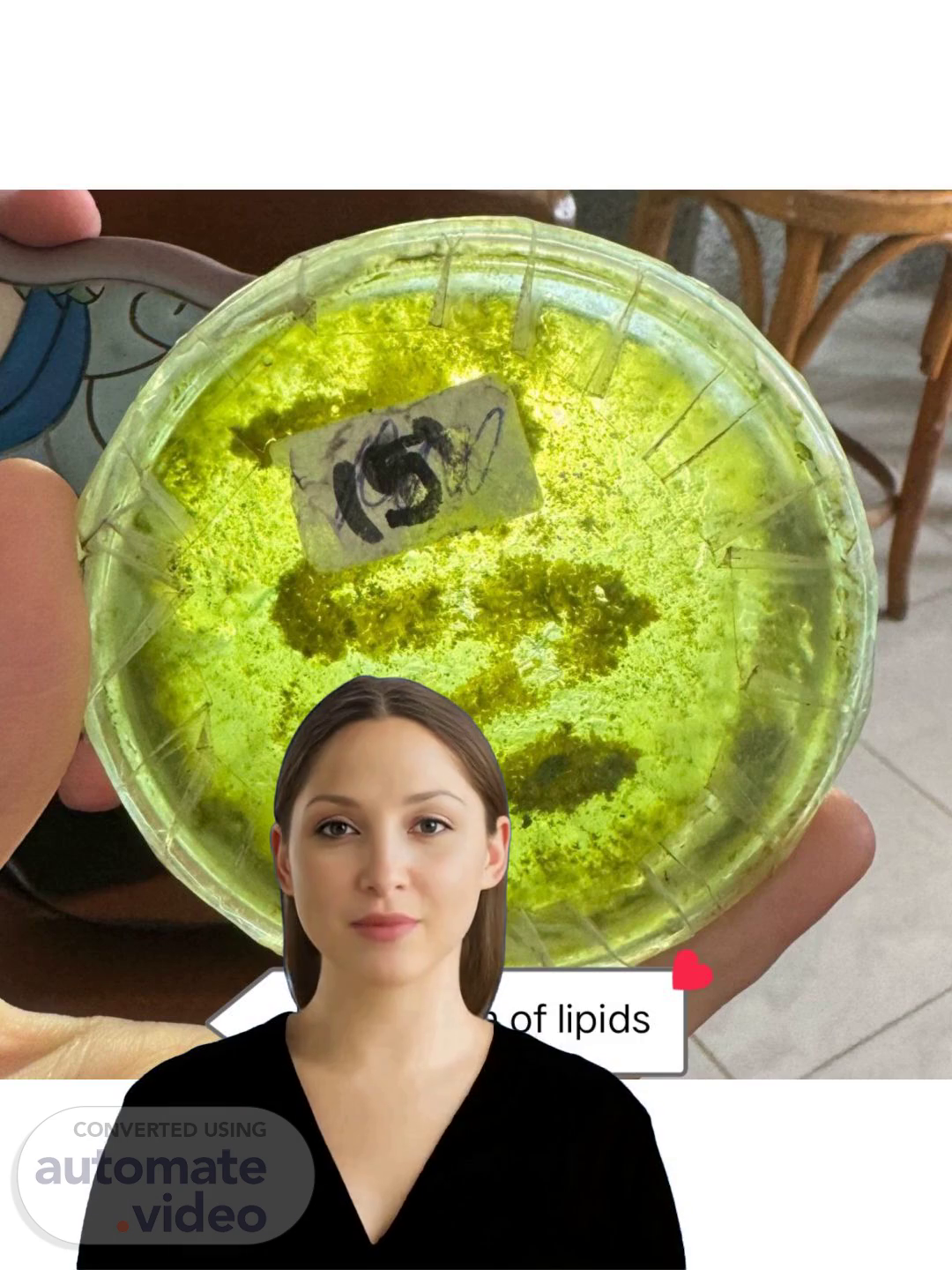
[Virtual Presenter] The process of lipid degradation involves several key factors including the enzyme lipase, which breaks down triglycerides into fatty acids and glycerol. The breakdown products then undergo further processing by other enzymes such as phospholipase A2 and phosphatidylserine phosphodiesterase. These enzymes break down the fatty acids and glycerol into their constituent parts, releasing energy that can be used by the body. This process is essential for maintaining healthy levels of cholesterol and triglycerides in the blood. Lipid degradation occurs in various tissues throughout the body, including the liver, pancreas, and small intestine. The liver plays a critical role in regulating lipid metabolism, while the pancreas produces digestive enzymes that help break down dietary lipids. The small intestine is responsible for absorbing nutrients from food, including lipids, into the bloodstream. In addition to these processes, there are also certain microorganisms present in the gut microbiome that contribute to lipid degradation. These microorganisms produce enzymes that break down lipids, allowing them to be absorbed and utilized by the body. Research has shown that the gut microbiome plays a significant role in regulating lipid metabolism and maintaining healthy levels of cholesterol and triglycerides. Furthermore, studies have found that lipid degradation is not just limited to the digestion and absorption of dietary lipids, but also extends to the breakdown of endogenous lipids, such as those produced by the body itself. For example, the breakdown of adipose tissue, which stores fat, can lead to the release of fatty acids into the bloodstream, contributing to the development of conditions such as obesity and metabolic syndrome. Overall, lipid degradation is a complex process that involves multiple factors and pathways, and understanding its mechanisms is essential for maintaining healthy lipid profiles and preventing diseases related to lipid metabolism..
Scene 2 (2m 21s)
ÉVO 100\0 eelO.
Scene 3 (2m 26s)
degradation of cellulose.
Scene 4 (2m 32s)
[Audio] The degradation of lipids is an essential process for maintaining our overall health. Lipids are essential molecules in our body that play a crucial role in storing and providing energy, as well as maintaining the structure and function of our cells. However, just like any other compound, lipids can also undergo degradation. This process is important for the removal of damaged or excess lipids, preventing potential health issues. One type of lipid that undergoes degradation is uric acid. Uric acid is a byproduct of purine metabolism and can accumulate in the body, causing health problems such as gout. The degradation of uric acid, also known as allantoin, is a vital process that helps to maintain the balance of this compound in our body. Lipid degradation is a natural and necessary process for maintaining our overall health..
Scene 5 (3m 30s)
[Audio] The lipids present in fungi are essential for their survival and growth. Fungi have a unique structure called mycelium, which consists of thin, thread-like structures called hyphae. These hyphae allow fungi to absorb and store nutrients from the environment. However, when these lipids are broken down, they release fatty acids into the soil. This process has significant implications for the environment as it helps to recycle nutrients and maintain ecological balance. The breakdown of lipids by fungi contributes to the decomposition of organic matter and the cycling of carbon. Understanding the process of lipid degradation in fungi is crucial because it reveals the importance of fungi in maintaining ecosystem health. Studying this process could lead to the development of new methods for harnessing fungal abilities for environmental and industrial purposes. The discovery of Rossi and Cholodny's buried slide technique has shed light on the role of fungi in degrading lipids. This technique involves burying a glass slide with nutrient agar and fungi mycelium in soil. As the fungi grow and feed on the agar, they break down the lipids, releasing fatty acids into the soil. The impact of this process on the ecosystem cannot be overstated. It highlights the critical role that fungi play in recycling nutrients and maintaining ecological balance. Furthermore, understanding the process of lipid degradation in fungi could lead to innovative solutions for environmental conservation and sustainability..
Scene 6 (5m 14s)
[Audio] Nitrate reduction is a critical component of lipid degradation processes in aquatic environments. The process involves the conversion of nitrate into ammonia through the action of specific microorganisms. These microorganisms are capable of using nitrate as an electron acceptor in the presence of oxygen, allowing them to thrive in low-oxygen conditions. The presence of nitrogen is essential for the growth and metabolism of these microorganisms, which ultimately leads to the breakdown of lipids. Furthermore, this process plays a significant role in maintaining a healthy balance of nutrients in the environment, preventing the accumulation of pollutants and excess nutrients. Moreover, the ability of these microorganisms to degrade lipids makes them useful tools for bioremediation efforts, where they can help clean up contaminated sites. Understanding the mechanisms of nitrate reduction is vital for advancing knowledge of lipid degradation processes and their impact on the environment. Additionally, harnessing the potential of these microorganisms could lead to innovative solutions for addressing environmental challenges such as pollution and climate change. The study of lipid degradation and its relationships with other biological processes is an ongoing area of research, with many scientists working to better understand the complex interactions between organisms and their environment. Ultimately, further research is needed to fully comprehend the significance of nitrate reduction in lipid degradation processes..